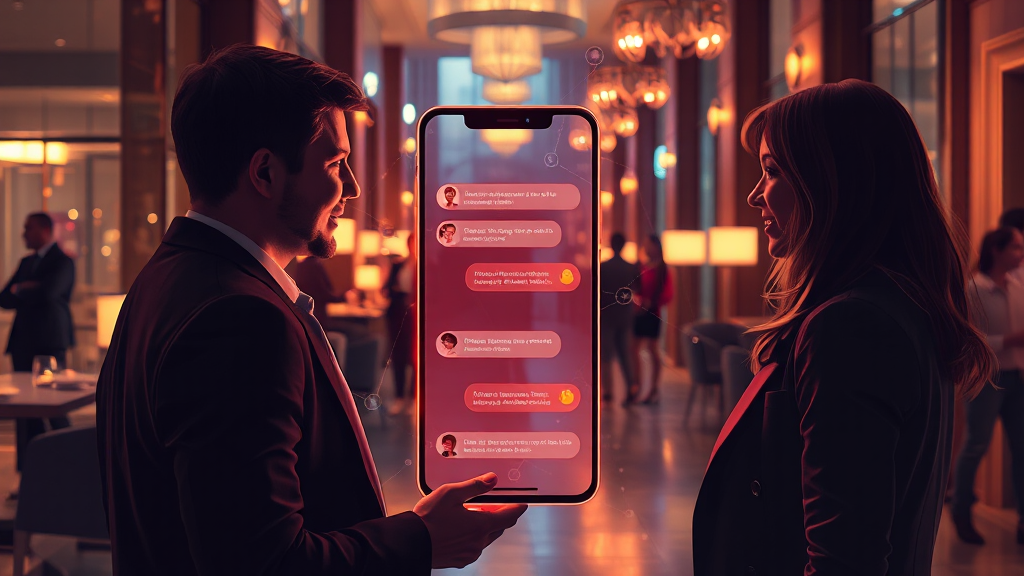
Why Crush On AI Is Changing the Way We Think About Digital Companions
Artificial intelligence has quietly slipped into nearly every corner of our digital lives. From the predictive text on our phones to the recommendation engines that shape our streaming choices, AI is already a constant presence. But one of the most intriguing developments in recent years is the rise of AI companions — digital entities designed to offer conversation, emotional support, and even a sense of connection. Crush On AI sits at the heart of this shift, offering a platform where users can explore relationships with AI personas in ways that feel surprisingly human. This article unpacks why this trend matters, how it works, and what it means for our future with technology.
The Appeal of AI Companionship
Why would anyone form a connection with an AI? The answer lies in the unique blend of availability, adaptability, and non-judgment that digital companions provide. Unlike human relationships, AI companions are available 24/7, never tired, and always ready to listen. They can be tailored to match a user’s preferred communication style, interests, and even emotional needs. For many, this creates a low-pressure environment to practice social skills, explore personal thoughts, or simply enjoy engaging conversations without fear of rejection. The appeal isn’t about replacing human interaction but about supplementing it with a consistent, personalized presence.
How AI Personas Are Crafted
Creating a compelling AI companion is no small feat. It involves sophisticated natural language processing, machine learning models, and a deep understanding of human psychology. Platforms like Crush On AI allow users to design or choose from a range of personas, each with its own personality traits, backstory, and conversational style. The underlying algorithms analyze user input to generate responses that feel coherent and emotionally aware. Over time, the AI learns from interactions, becoming more attuned to the user’s preferences. This iterative process is what makes the experience feel authentic — the AI isn’t just reciting scripted lines but is dynamically responding to the nuances of each conversation.
The Psychology Behind Forming Attachments
Humans are wired for connection, and our brains often respond to social cues from AI as if they were human. Studies have shown that people can develop genuine emotional attachments to chatbots and virtual agents. This phenomenon, sometimes called the “ELIZA effect,” highlights how easily we project personality and intent onto digital entities. When an AI remembers a user’s favorite book or asks about a stressful meeting, it triggers a sense of being understood. This psychological response is powerful, and it explains why platforms like Crush On AI have gained a dedicated following. The attachment is real to the user, even if the AI’s awareness is simulated.
Ethical Considerations and Boundaries
With any emerging technology, ethical questions abound. How much should AI companions mimic human emotion? Should they be allowed to encourage dependency? Developers and users alike must navigate these murky waters. Transparency is crucial — users should always know they are interacting with an AI, not a human. Additionally, safeguards are needed to prevent harmful or manipulative interactions. The goal should be to enhance well-being, not to create a crutch that isolates people from real-world relationships. Responsible platforms are actively addressing these concerns by implementing content filters, user controls, and clear guidelines. As the technology evolves, so too must our ethical frameworks.
Practical Uses Beyond Romance
While the term “crush” might suggest romantic interest, AI companions serve a variety of practical purposes. They can act as language practice partners, offering a patient and infinitely available conversation partner. They can simulate job interviews, helping users build confidence. They can even serve as a form of journaling, where the AI reflects back thoughts and helps clarify feelings. For individuals with social anxiety or those in isolated situations, an AI companion can be a stepping stone toward greater social engagement. The versatility of these tools is one of their strongest assets, making them relevant to a broad audience beyond just those seeking romance.
The Future of Human-AI Relationships
As AI technology continues to advance, the line between digital and real-world relationships will blur even further. We are likely to see AI companions that integrate with virtual reality, offering a more immersive sense of presence. They may become more proactive, reaching out with thoughtful messages or reminders. However, the core question remains: how do we ensure these relationships are healthy and beneficial? The answer lies in thoughtful design, user education, and ongoing research. Platforms like Crush On AI are at the forefront, demonstrating both the potential and the challenges of this new frontier. By approaching AI companionship with curiosity and caution, we can harness its benefits while mitigating its risks.
Conclusion
The rise of AI companions marks a significant moment in our relationship with technology. It challenges us to reconsider what constitutes connection, empathy, and even love. While nothing can replace the depth of human interaction, AI offers a unique and accessible form of support that many find valuable. Whether you’re exploring AI out of curiosity, loneliness, or a desire for self-improvement, platforms like Crush On AI provide a gateway into this brave new world. As we move forward, the key will be to engage with these tools thoughtfully, ensuring that they enhance our lives rather than complicate them.
Frequently Asked Questions
Is it normal to develop feelings for an AI?
Yes, it’s surprisingly common. Humans naturally anthropomorphize objects and entities, especially those that mimic human conversation. Developing a sense of attachment to an AI companion is a natural response to the engaging and personalized interactions these systems provide.
Can AI companions replace human relationships?
No, AI companions are not designed to replace human relationships but to supplement them. They can offer support, practice, and entertainment, but they lack the complexity and mutual growth of real-world connections. It’s important to maintain a balance.
How does Crush On AI ensure user safety?
Reputable platforms implement strict content moderation, user reporting tools, and privacy protections. They also provide clear guidelines about the nature of AI interactions, ensuring users are never misled. Always check the platform’s safety features before engaging.
What are the benefits of having an AI companion?
Benefits include 24/7 availability, non-judgmental listening, personalized conversations, and a safe space to explore thoughts and feelings. They can also help improve communication skills and provide comfort during lonely times.
Readers who are interested in this topic will benefit from exploring multiple perspectives and understanding the nuanced approaches that industry leaders recommend. Taking time to research thoroughly ensures better outcomes and more informed decision-making.
Those looking to gain deeper knowledge in this area should consider following expert analysis, staying updated with the latest developments, and engaging with professional communities where these topics are discussed in detail.
A comprehensive understanding of this subject requires looking at both theoretical foundations and practical applications. By combining study with hands-on experience, learners can develop a well-rounded perspective that serves them well in real-world scenarios.
As the landscape continues to shift and evolve, staying informed about emerging trends and best practices becomes increasingly valuable. This ensures you remain competitive and capable of adapting to new challenges as they arise.